

 By
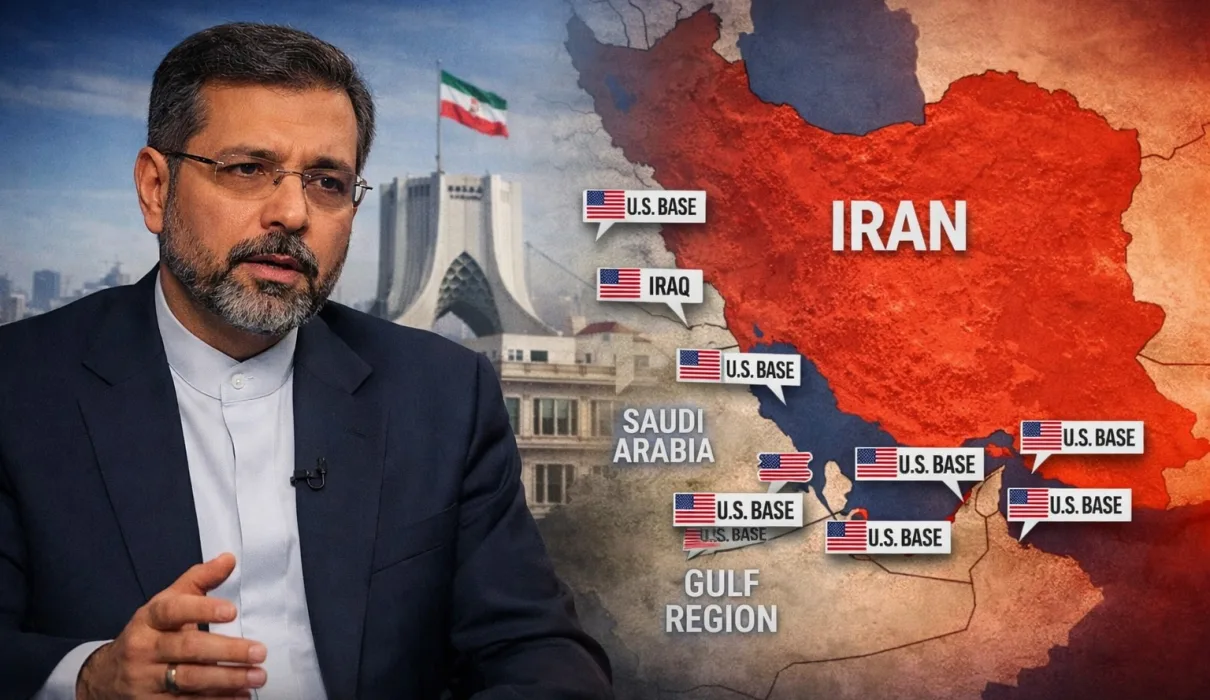
By The Middle East is now at the center of what may become one of the most dangerous international crises of the decade. In an exclusive CNN interview on March 1, 2026, Iran’s Deputy Foreign Minister Saeed Khatibzadeh stated that US President Donald Trump crossed a “very dangerous red line” by ordering the killing of Iran’s Supreme Leader Ali Khamenei. TrendingUpdatesToday.com breaks down everything you need to know about this fast-moving Iran US conflict 2026.
What Happened? The Strike That Triggered a Crisis
On Saturday, February 28, 2026, US forces carried out strikes that resulted in the death of Iranian Supreme Leader Ali Khamenei. Iran responded almost immediately with a massive, coordinated wave of military strikes across the Middle East.
Those retaliatory strikes targeted countries that host US military bases, including:
- Bahrain
- The United Arab Emirates (UAE)
The strikes killed civilians, damaged infrastructure, and brought air and sea traffic across the region to a standstill. The situation continues to escalate as of Sunday, March 1, 2026.
Iran’s Deputy Foreign Minister Speaks Out
Deputy Foreign Minister Saeed Khatibzadeh delivered Iran’s clearest message yet in a live CNN interview. His words carry major implications for the Iran US war 2026 trajectory.
He stated directly: Iran “has no option but to respond.”
Khatibzadeh explained that Khamenei was not just a political figure — he was a deeply revered religious leader for Shia Muslims worldwide. His death, the official said, will trigger reactions not just from Iran but from Shia communities across the entire Middle East and beyond.
“Many Shiite followers across the region and around the world are going to react to that.”
Why Is Iran Targeting US Military Bases?
Iran’s official position is clear: it cannot strike American soil directly, so it is targeting US military bases in neighboring countries instead.
Khatibzadeh said Iran communicated a direct warning to Gulf Arab states. The message was simple — shut down US bases on your territory, or Iran will strike them.
Iran argues that those bases have been used to plan and carry out attacks on Iranian targets. From Tehran’s perspective, striking those bases is a form of self-defense, not aggression.
Is Diplomacy Still Possible? Iran Says No — For Now
One of the most critical questions in the Iran US conflict 2026 is whether diplomatic channels remain open.
Khatibzadeh’s answer was bleak. He said the US has “disappointed” Iran multiple times in past negotiations. He placed all responsibility for the current crisis on the Trump administration, calling the US attack a “war of choice.”
“If President Trump didn’t want to see Iran hitting back… President Trump should have not started this war,” he said.
This language signals that Iran does not plan to seek a ceasefire quickly. Instead, Tehran appears committed to continued military pressure until the US changes course.
Key Facts at a Glance
| Event | Details |
| Strike Date | February 28, 2026 |
| Target of US Strike | Iran Supreme Leader Ali Khamenei |
| Iran’s Response | Large-scale missile strikes across the Middle East |
| Countries Targeted | Bahrain, UAE (US bases) |
| Iran’s Official Statement | Trump crossed a “very dangerous red line” |
| Diplomatic Status | Iran says diplomacy is off the table for now |
| Key Iranian Spokesperson | Deputy FM Saeed Khatibzadeh |

What This Means for the Region
The Iran US war 2026 fears are no longer hypothetical. Civilian casualties are mounting. Airports and shipping lanes face major disruptions. Gulf Arab states — many of whom host US forces — now find themselves caught in the crossfire.
Analysts and regional governments face urgent questions:
- Will Gulf nations ask the US to withdraw forces to prevent more strikes?
- Will other Shia militia groups in Iraq, Lebanon, or Yemen escalate attacks?
- Can international bodies like the United Nations step in to prevent wider war?
The answers may come within days — not weeks.
Conclusion
The Iran US conflict 2026 has entered its most dangerous phase yet. Iran’s killing of a revered religious figure has united Iranian hardliners and the broader Shia world against US actions in the region. Deputy FM Khatibzadeh’s interview made one thing crystal clear: Iran will continue to strike back, and it considers the current war entirely of Washington’s making. Stay up to date with TrendingUpdatesToday.com as this story develops.
❓ Frequently Asked Questions
1. Did Trump really order the killing of Iran’s Supreme Leader Khamenei? According to Iran’s Deputy Foreign Minister Saeed Khatibzadeh, US President Donald Trump is directly responsible for the killing of Supreme Leader Ali Khamenei in strikes carried out on February 28, 2026.
2. Why is Iran attacking US military bases in Bahrain and the UAE? Iran says it cannot strike American soil directly, so it is targeting US military bases in Gulf countries it views as supporting or enabling US aggression against Iran.
3. What did Iran’s deputy foreign minister say about Trump in the CNN interview? Khatibzadeh told CNN that Trump crossed a “very dangerous red line” and that Iran “has no option but to respond.” He also called the US action a “war of choice.”
4. Will the Iran US conflict lead to a wider Middle East war? The situation carries serious escalation risks. Iran has already struck multiple countries, civilian casualties are rising, and Gulf states now face pressure to choose sides. Regional spillover is a growing concern.
5. Is there any chance of diplomacy between Iran and the US in 2026? Iran’s official position, as of March 1, 2026, is that diplomacy is currently off the table. Khatibzadeh said the US has “disappointed” Iran repeatedly, and Tehran blames Washington entirely for starting the conflict.
Sources
- CNN Exclusive Interview with Iranian Deputy Foreign Minister Saeed Khatibzadeh, March 1, 2026 — edition.cnn.com
- U.S. Department of State — Middle East Policy Overview: state.gov
- Council on Foreign Relations — Iran Crisis Tracker: cfr.org
- BBC News Middle East Coverage: bbc.com/news/world/middle-east