

 By
By California has filed a major multistate lawsuit challenging the newly revised CDC childhood immunization schedule — and the stakes could not be higher for American children. The state of California sues over child vaccine schedule changes it calls “scientifically unsound” and “unlawful,” pushing back on reforms tied to Health and Human Services Secretary Robert F. Kennedy Jr.
TrendingUpdatesToday.com is breaking down everything you need to know about this fast-moving story.
What Changed in the CDC Childhood Immunization Schedule?
At the start of 2026, the CDC updated the CDC childhood immunization schedule in a significant way. Under the Trump administration’s direction, the U.S. Department of Health and Human Services reduced the total number of vaccines recommended for all children.
Several vaccines that were once universally recommended now fall under “shared clinical decision-making” — meaning parents and doctors decide together. These include vaccines for:
| Vaccine | Previous Status | New Status |
| Hepatitis A | Universally recommended | Shared decision-making |
| Hepatitis B | Universally recommended | Shared decision-making |
| Rotavirus | Universally recommended | Shared decision-making |
| Influenza | Universally recommended | Shared decision-making |
| COVID-19 | Universally recommended | Shared decision-making |
| Meningococcal | Universally recommended | Shared decision-making |
The changes linked to the RFK Jr. vaccine schedule reflect Kennedy’s long-held skepticism toward vaccines. Some of these immunizations remain recommended for high-risk groups, but the shift away from universal coverage worries many public health experts.
Why Is California Filing This Lawsuit?
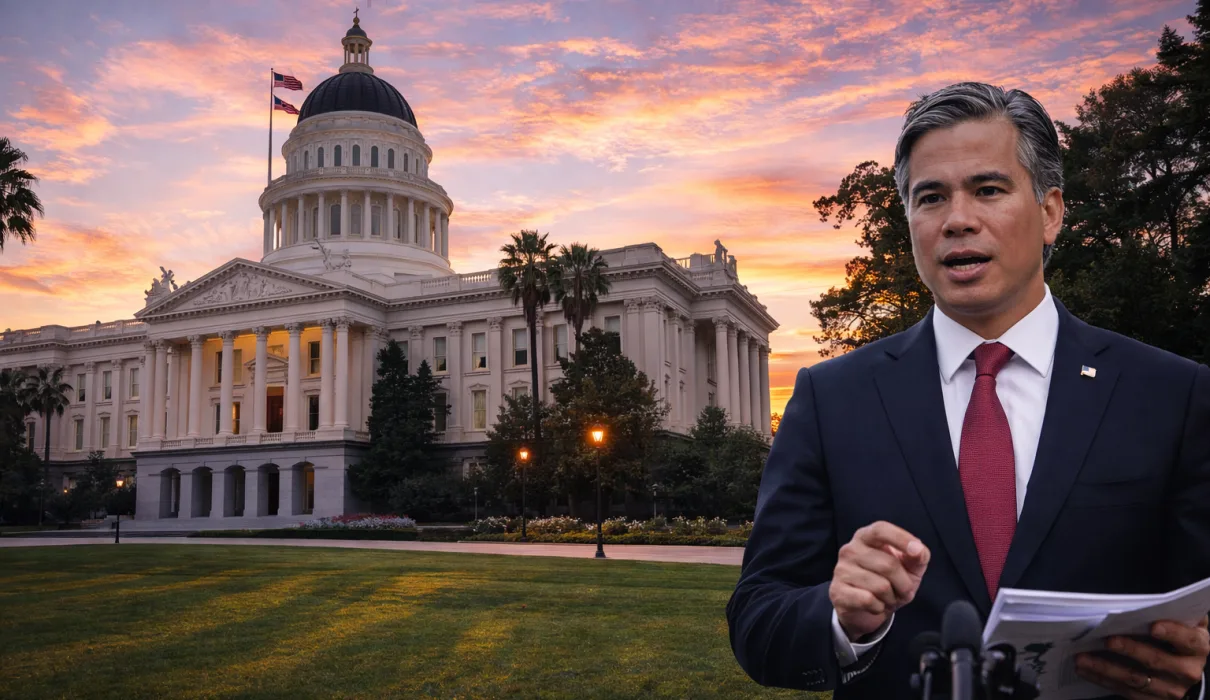
California Attorney General Rob Bonta and Arizona Attorney General Kris Mayes announced the California multistate lawsuit vaccine schedule 2026 at a press conference on February 24, 2026. Their goal is clear: get a court to declare the revised schedule unlawful.
Mayes called the changes “needless” and “scientifically unsound.” She also pointed to the Advisory Committee on Immunization Practices (ACIP) — the body that has guided vaccine policy in the U.S. for decades. The ACIP appointments made by Kennedy, Mayes claims, include people who lack qualifications required by law.
The child vaccine lawsuit also calls out the broader political pressure on the CDC. California Governor Gavin Newsom described the Trump administration’s mass firing of CDC doctors and scientists as a “direct assault on the health and safety of the American people.”
How Have Childhood Vaccination Rates Already Been Affected?
This legal fight comes at a critical time. The CDC found that childhood vaccination rates among U.S. kindergartners declined in 2024–25 compared to the year before. Meanwhile, measles — a disease once declared eliminated in the U.S. — surged in 2025, including a notable outbreak near Disneyland in Los Angeles.
Experts link dropping childhood vaccination rates to growing vaccine hesitancy and weakened public health messaging. The RFK Jr. revised childhood immunization changes now risk accelerating that trend.
What Vaccines Does California Still Recommend for Kids?
Despite the federal changes, California is not backing down. The state is part of the West Coast Health Alliance, formed in 2025, which includes several western states committed to maintaining strong vaccine policies.
In response to the vaccines removed from CDC schedule 2026, the West Coast Health Alliance aligned its recommendations with the American Academy of Pediatrics (AAP) childhood immunization schedule. So what vaccines does California recommend for children? California follows the AAP’s full schedule — including hepatitis A, hepatitis B, rotavirus, and influenza vaccines — regardless of the new federal guidelines.
The hepatitis rotavirus vaccine shared decision-making approach adopted federally does not apply in California under state-level guidance.
What This Means for Parents Right Now
If you live in California or a West Coast Health Alliance state, your child’s pediatrician will likely continue recommending the full AAP vaccine schedule. However, parents in other states may face more confusion as federal and local guidance diverge.
The outcome of the California sues over child vaccine schedule lawsuit could reshape vaccine policy nationwide. If the courts rule in California’s favor, it could block the RFK Jr. vaccine schedule changes entirely. If not, the shift toward parental discretion on vaccines like the CDC childhood immunization schedule may spread further.
Conclusion
The battle over America’s California sues over child vaccine schedule case is more than a legal dispute — it is a fight over public health, scientific authority, and children’s safety. As measles returns and childhood vaccination rates fall, states like California are standing firm against what they see as dangerous political interference in medicine. TrendingUpdatesToday.com will continue tracking this story as it develops. Talk to your child’s doctor today to make sure they are up to date on all recommended vaccines.
❓ Frequently Asked Questions
1. Why did California sue over the child vaccine schedule? California joined a multistate lawsuit because the state believes the revised CDC childhood immunization schedule is scientifically unsound and was changed without proper legal authority.
2. What did RFK Jr. change about the vaccine schedule? Under the RFK Jr. vaccine schedule changes, vaccines like hepatitis A, hepatitis B, rotavirus, and influenza are no longer universally recommended. They now fall under “shared clinical decision-making” between parents and doctors.
3. What vaccines does California recommend for children in 2026? California follows the American Academy of Pediatrics’ full schedule. The West Coast Health Alliance recommends all vaccines that were previously part of the CDC childhood immunization schedule, including those the federal government made optional.
4. How have childhood vaccination rates changed recently? Childhood vaccination rates among U.S. kindergartners dropped in 2024–25, according to the CDC. This decline has coincided with a measles resurgence across the country.
5. What is the ACIP, and why does the lawsuit target its appointments? ACIP stands for the Advisory Committee on Immunization Practices. The California multistate lawsuit vaccine schedule 2026 argues that ACIP appointments made by RFK Jr. include members who may not meet legal qualifications — undermining the committee’s credibility.
📚 Sources
- U.S. Centers for Disease Control and Prevention — CDC Childhood Immunization Schedule
- California Department of Public Health — West Coast Health Alliance Statement
- Johns Hopkins Bloomberg School of Public Health — Childhood Vaccination Rates Declining
- USA TODAY — California opposes child vaccine schedule changes under RFK Jr., February 24, 2026
- American Academy of Pediatrics — AAP Immunization Schedule