

 By
By Cuba Power Grid Collapse: What Happened and Why It Matters
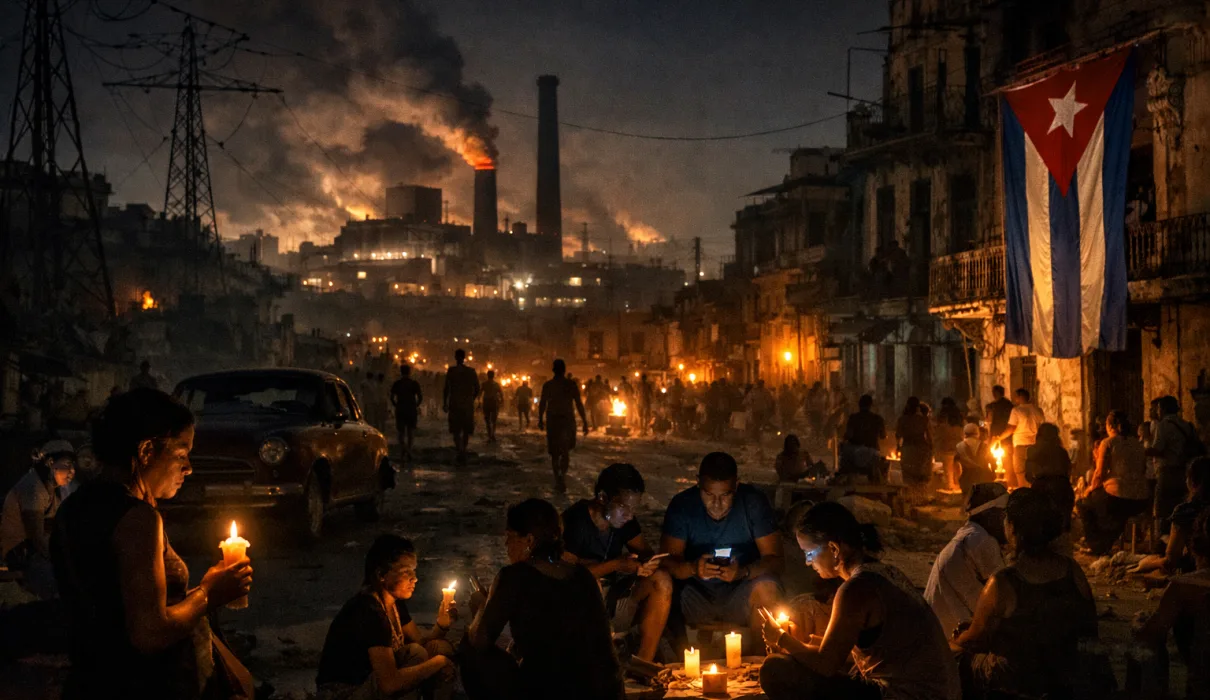
The Cuba power grid collapse has triggered one of the most severe energy emergencies the island has faced in years. Millions of residents suddenly lost electricity after the Cuba electricity grid disconnected nationwide, plunging cities into darkness.
Reports cited by major outlets such as Reuters and AP confirm that the Cuba power grid collapse left roughly 10–11 million people without power. The event deepened an already serious Cuba energy crisis caused by fuel shortages, aging infrastructure, and economic pressure.
At TrendingUpdatesToday.com, we break down what caused the Cuba power grid collapse, how it affects daily life, and what could happen next.
What Triggered the Cuba Power Grid Collapse?
The Cuba power grid collapse did not happen overnight. Experts say multiple factors combined to push the fragile system past its limits.
1. Aging Power Infrastructure
Many of Cuba’s thermoelectric plants are over 30 years old. These facilities supply much of the nation’s electricity but frequently suffer mechanical failures. When one major facility fails, it can trigger a chain reaction across the Cuba electrical system.
2. Severe Fuel Shortages
Fuel shortages remain a central reason behind the Cuba energy crisis. Officials say the country has not received oil shipments for several months, drastically reducing generation capacity.
Without adequate fuel, power plants cannot produce enough electricity to stabilize the Cuba electricity grid.
3. External Economic Pressure
Energy imports are heavily affected by sanctions and geopolitical tensions. These pressures have reduced oil deliveries from traditional partners, worsening the Cuba power outage situation.
4. Fragile Grid Design
The Cuba electrical system operates as a chain of interconnected generation islands. If one major plant fails, the entire network can collapse quickly.
This structural weakness played a major role in the Cuba power grid collapse.
How the Cuba Power Grid Collapse Affected the Country
The Cuba power grid collapse caused a nationwide shutdown of electricity services.
Key Impacts
- Millions of homes lost power instantly
- Hospitals switched to emergency generators
- Transportation and internet services were disrupted
- Food supplies risked spoilage due to refrigeration loss
- Schools and businesses halted operations
The nationwide blackout Cuba experienced also delayed surgeries and medical procedures due to unreliable electricity supply.
The impact of Cuba nationwide blackout on citizens has been severe, especially in rural regions where backup power is limited.
Cuba Energy System vs Modern Power Grids
| Feature | Cuba Electricity Grid | Modern Power Grid |
| Infrastructure Age | Many plants 30+ years old | Frequently upgraded |
| Fuel Sources | Mostly oil-based | Mixed renewable & fossil |
| Grid Stability | Highly vulnerable to failure | Redundant systems |
| Backup Capacity | Limited | Strong emergency reserves |
| Recovery Speed | Slow restart process | Rapid automated recovery |
Because of these weaknesses, the Cuba power grid collapse spreads faster and takes longer to repair than outages in modern energy networks.
How Cuba Is Restoring Electricity After Blackout
Authorities have started a phased restart of the Cuba electrical system.
Key Recovery Steps
- Restarting thermoelectric plants
- Creating regional “micro-grids”
- Prioritizing hospitals and essential infrastructure
- Gradually reconnecting cities to the grid
Experts say how Cuba is restoring electricity after blackout depends heavily on fuel availability and plant stability.
The Cuba power grid collapse recovery process could take days depending on equipment damage and supply conditions.
Why the Cuba Energy Crisis Keeps Getting Worse
The causes of Cuba energy crisis and blackouts go beyond a single outage.
Major contributing factors include:
- Declining oil imports
- Aging electricity infrastructure
- Rising national energy demand
- Limited investment in modernization
These issues make another Cuba power grid collapse possible if major upgrades do not occur.
FAQs About the Cuba Power Grid Collapse
1. What caused the Cuba power grid collapse?
The Cuba power grid collapse resulted from aging power plants, fuel shortages, and instability within the Cuba electricity grid.
2. How many people were affected by the Cuba blackout?
The nationwide blackout Cuba experienced affected around 10–11 million residents across the island.
3. Why did Cuba’s power grid collapse so easily?
Experts say why did Cuba’s power grid collapse is linked to outdated infrastructure and limited fuel supplies.
4. How long will it take to restore electricity?
Authorities say how Cuba is restoring electricity after blackout could take several days as plants restart gradually.
5. Could another Cuba power grid collapse happen?
Yes. Without infrastructure upgrades, the Cuba power grid collapse risk remains high due to ongoing fuel and equipment challenges.
Conclusion
The Cuba power grid collapse highlights the fragile condition of the island’s energy infrastructure. Aging plants, fuel shortages, and economic pressures combined to trigger one of the most disruptive Cuba blackout events in recent years.
While officials work to stabilize the Cuba electricity grid, the broader Cuba energy crisis remains unresolved. Long-term solutions will likely require modernization of power plants, diversified energy sources, and more reliable fuel supply chains.
As this situation develops, TrendingUpdatesToday.com will continue monitoring the Cuba power grid collapse and its impact on the region.
Sources
- Reuters – https://www.reuters.com
- Associated Press – https://apnews.com
- CNN – https://edition.cnn.com
- U.S. Energy Information Administration – https://www.eia.gov